Don't paste the whole record into the chat.
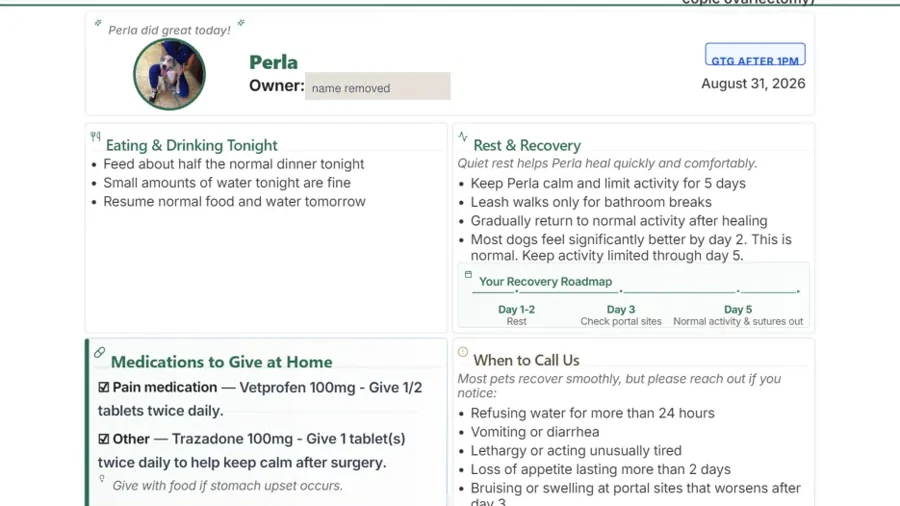
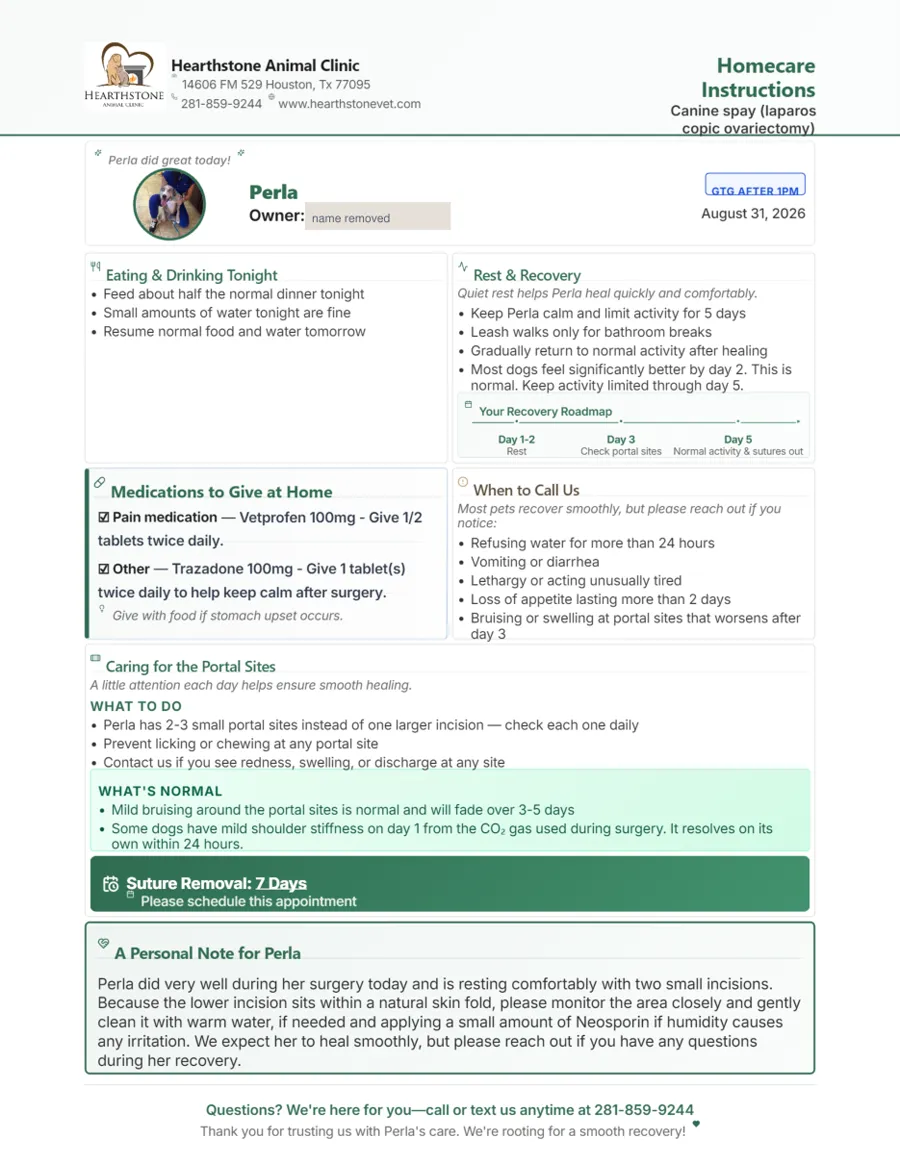
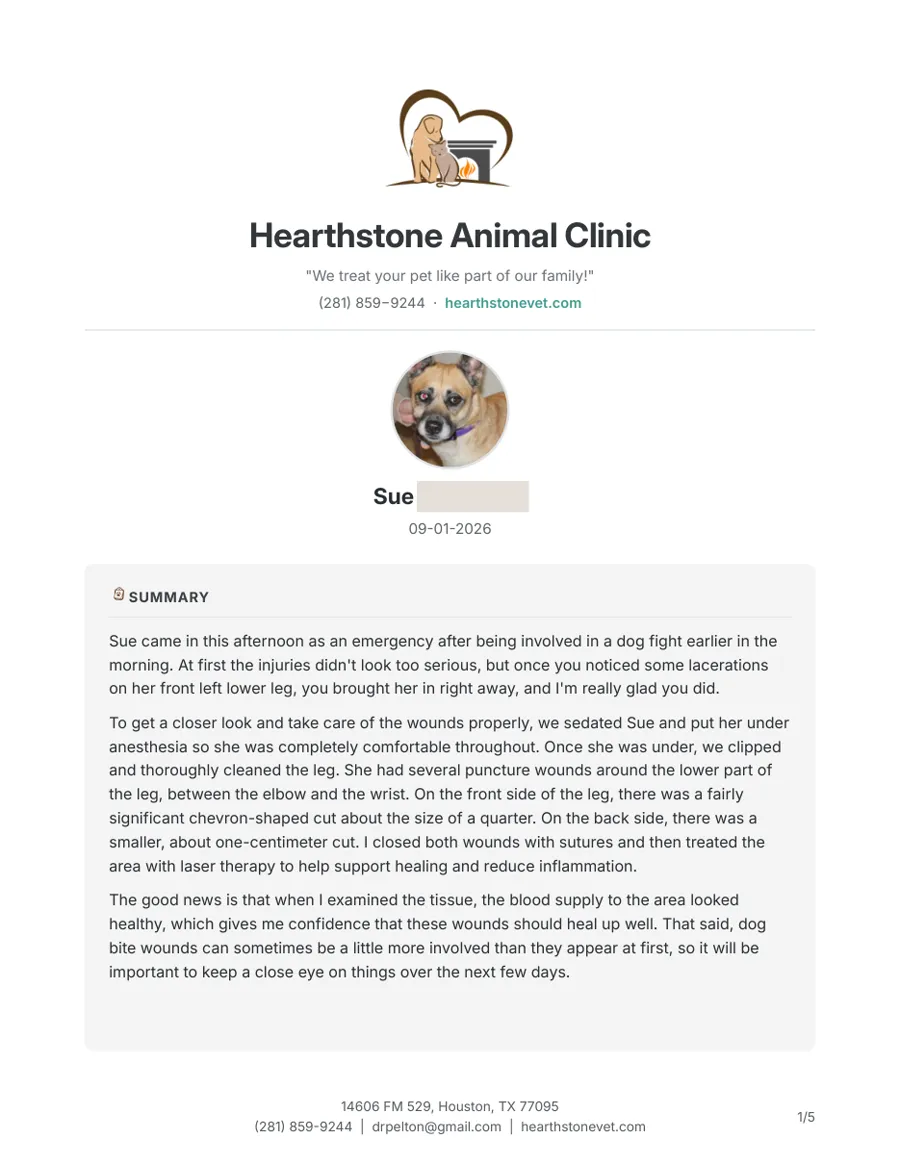
It isn’t safe to paste a full veterinary record into a consumer chatbot. Veterinary records are not HIPAA, but they still hold client names and payment details. Strip identifiers first, or use a tool that does not train on your data.
If you’re reading this because you already pasted a record into a chatbot and got a little nervous afterward, start here. You aren’t in trouble, and you’re asking exactly the right question. Most of the profession hasn’t thought about it at all.
Let me give you the honest version, because the internet has two camps on this and both are wrong. One camp says veterinary records aren’t HIPAA so do whatever you want. The other says AI is a privacy disaster so never touch it. Neither is true.
What happens when I paste a vet record into ChatGPT?
The text leaves your building and lands on a company’s servers.
When you paste text into a chatbot, two things can happen to it there. It gets processed to answer you, which is the point. And, depending on the product and its settings, it may get retained and used to improve the model.
That second part is the whole ballgame. If your input can be used for training, a fragment of what you pasted can, in principle, influence what the model says to someone else later. Not your file handed to a stranger, nothing that dramatic. But your data has left your control, and control is the thing that matters.
Are veterinary records covered by HIPAA?
No. HIPAA is a red herring, and that trips people up.
Here’s the fact that gives vets false comfort. Veterinary records aren’t covered by HIPAA. HIPAA is for human medicine.
The instinct behind the relief is understandable. But not-HIPAA doesn’t mean not-sensitive. Your records still hold client names, phone numbers, addresses, and payment details. You’re still bound by your state veterinary practice act, by your own privacy policy, and by the plain professional duty of confidentiality that existed long before any of this. The absence of one federal law doesn’t remove the other three obligations.
Is it safe to put vet records in ChatGPT?
Not the identifying parts. The rule that solves most of it is simple.
Strip the identifiers before anything gets pasted. No client name. No pet name. No phone, address, or account number. What the model needs to help you is the clinical picture: species, age, weight, findings, history, plan. A ten-year-old cat with these labs isn’t identifying. “Mrs. Chen’s cat Biscuit at 4501 Oak” is.
Train the whole team on that one line and you’ve removed the large majority of the risk for the large majority of the day. It costs nothing and it slows no one down.
How can I use AI on real veterinary records safely?
Use a controlled tool when the job needs the real data.
Stripping identifiers works for quick drafting. But some tools need the real data to do their job, and for those you need real controls. There are three clean paths, and they remove different pieces of the risk.
Use a business or API tier with training turned off and a data processing agreement in place. That closes the training door contractually.
Use a tool built for clinical data, one whose entire job is handling this correctly, rather than a general consumer chatbot.
Or self-host a model, so the data is processed on a machine in your own building and never leaves at all. This is the one I lean toward for the sensitive work, for the same reason I own my phone system instead of renting it. Remove the dependency, remove the risk.
What is the practical rule for my veterinary team?
Strip identifiers for everyday drafting. Use controlled tools for anything that needs the real record.
I’m not a lawyer, and this isn’t legal advice. Check the current terms for the exact product your team uses, because they change, and if you have real exposure, ask someone who does this for a living.
But the practical version isn’t complicated. Strip identifiers for the everyday drafting. Use controlled tools for anything that needs the real record. Never assume a consumer chatbot is private just because your records aren’t HIPAA.
If you want the drafting side done right without pasting anything you shouldn’t, start with there isn’t a magic prompt. And if you want to see how I moved the sensitive work onto tools I control, that’s the whole journey.
Questions I get asked
- Are veterinary records covered by HIPAA?
- No. HIPAA covers human health information. Veterinary records aren't HIPAA-protected. But they still contain client personal information and are covered by your state's veterinary practice act, your privacy obligations, and plain professional confidentiality. Not-HIPAA doesn't mean not-sensitive.
- Does the chatbot train on what I paste into it?
- It depends on the tier. Consumer accounts have historically been able to use your inputs to improve the model unless you opt out, and settings change over time. Business and API tiers generally don't train on your data by default. Always check the current terms for the exact product you're using, because they move.
- What is the simplest safe rule for my team?
- Strip identifying details before anything gets pasted. No client name, no pet name, no phone number, no address, no account number. The clinical picture is what the model needs, and the clinical picture isn't identifying on its own.
- Is there a way to use AI on real records safely?
- Yes. Use a business or API tier with training turned off and a data agreement in place, use a tool built for clinical data, or self-host a model so the data never leaves your building. Each removes a different piece of the risk.
- Does ChatGPT train on veterinary records I paste?
- On a free consumer account, it might, unless you turn that off. Business and API tiers usually do not. Check the current terms. When I need the real record, I use a tool I control.
- Can my receptionist paste records into ChatGPT?
- Only after identifiers are gone. Train the team on one line: no client name, no pet name, no phone, no address, no account number. The clinical picture is enough.
Tell me what's broken in your clinic.
If this made you think of a problem you'd fix, I want to hear it.