

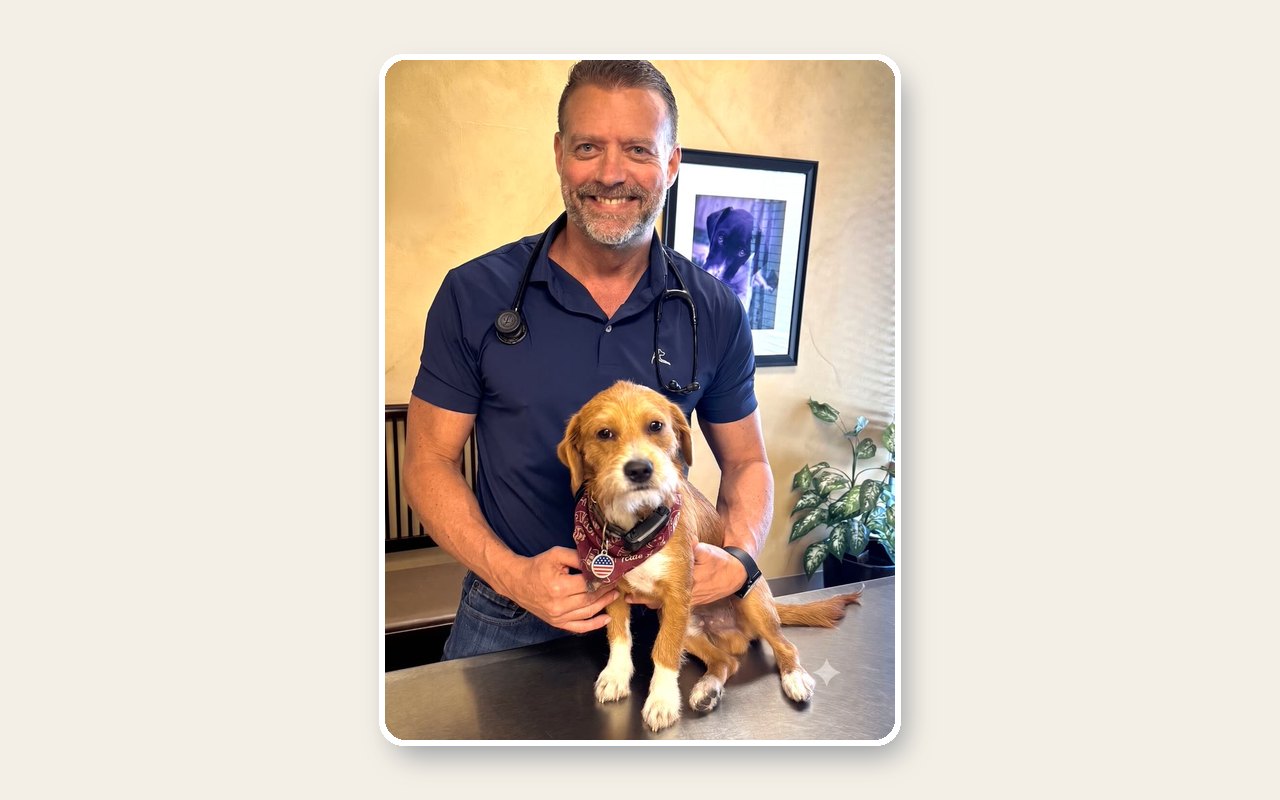

The future of veterinary medicine is already running in a one-doctor clinic outside Houston.
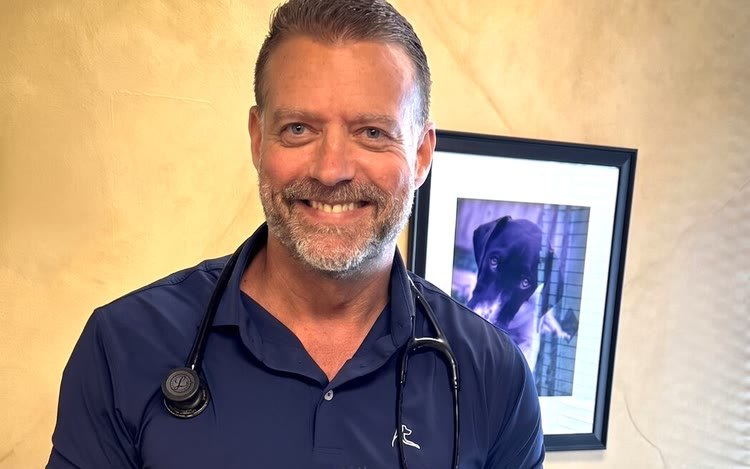
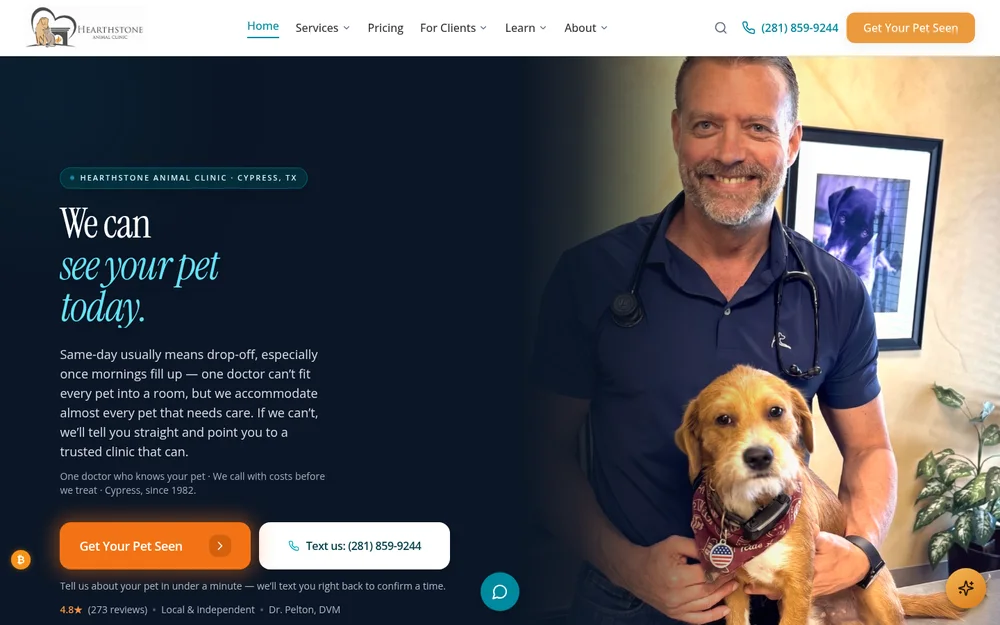
I'm a solo vet in Cypress, on the northwest side of Houston. These are the tools I built with AI and use on real patients, what works, and what still needs a human.
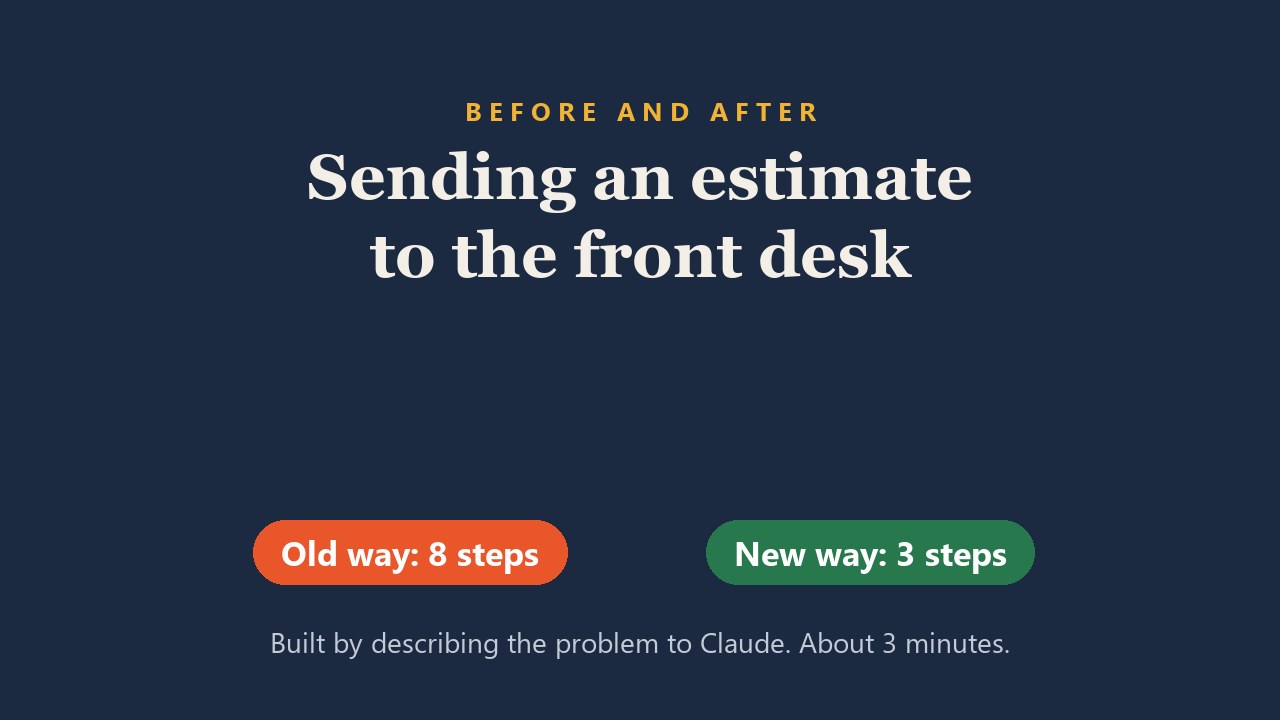 New this week Getting an estimate to my front desk took eight steps. I explained it to Claude and got one button, in about three minutes. Watch it, 2:41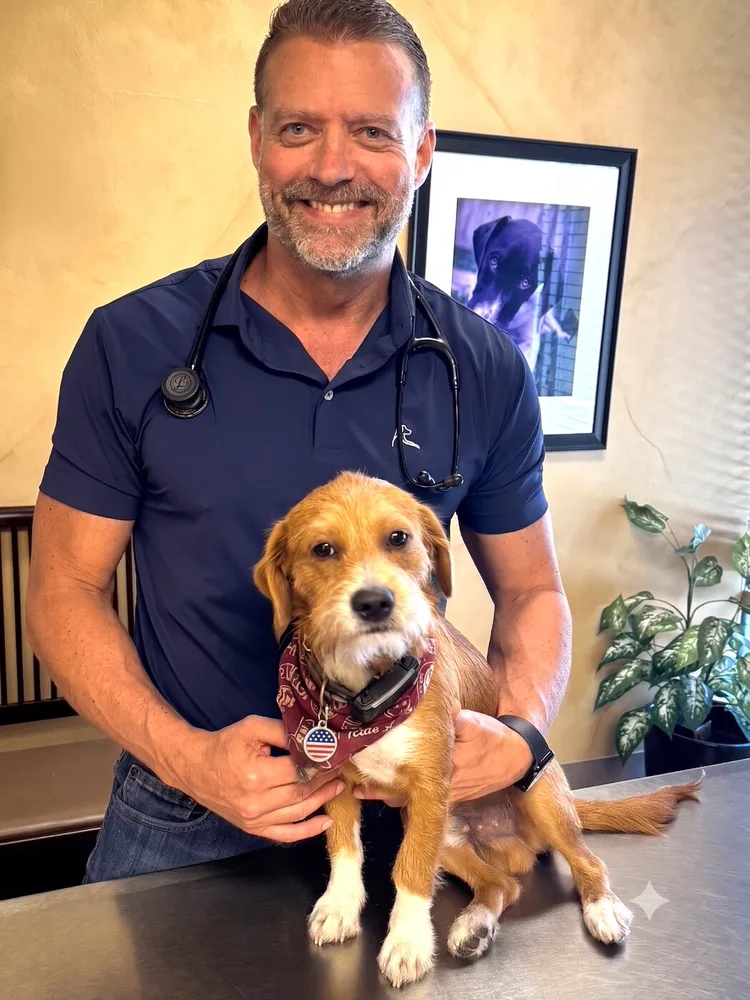
Getting an estimate to my front desk took eight steps. I explained it to Claude and got one button.
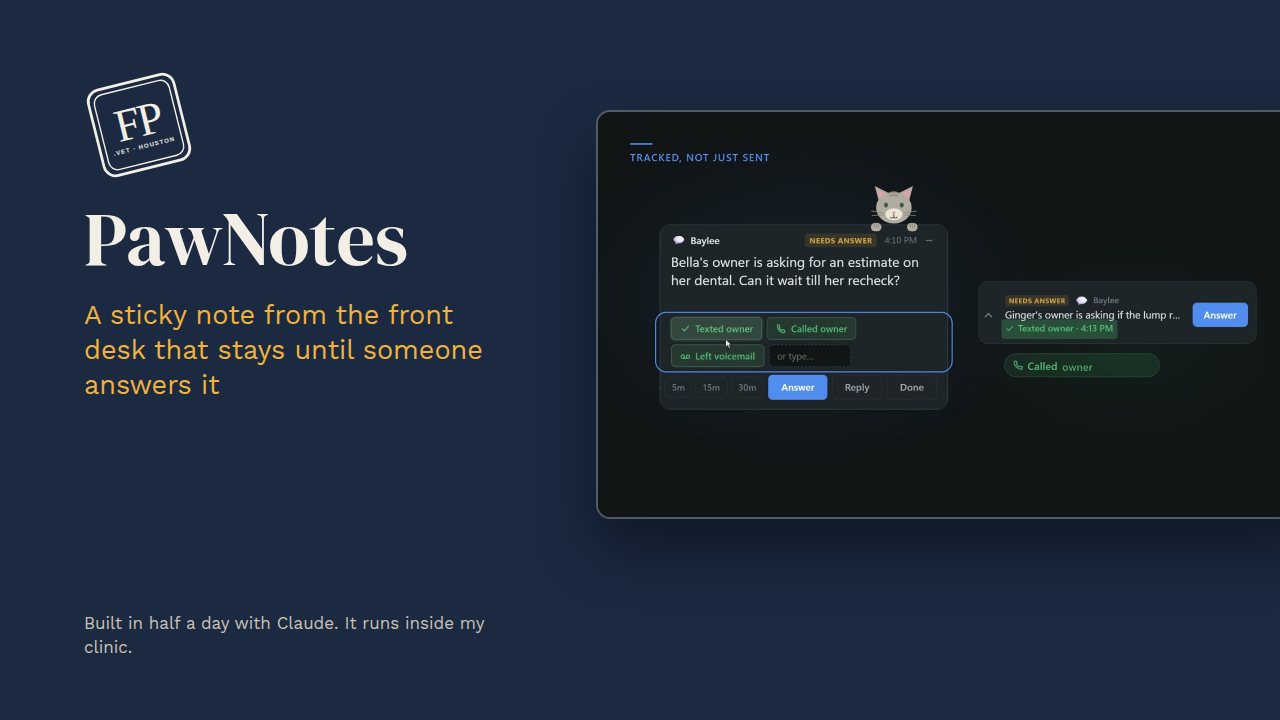
These are the estimates for pets whose owner isn't standing in front of me: drop-offs, sick pets, anything staying in the hospital. I build the estimate, and it has to get up front to Baylee so she can go over it with the owner. The old way was build it in Shepherd, save it, print it, save it as a PDF, open PawNotes, attach the PDF, type a note, send. I used to actually print it on paper, and she'd read it and throw it away.
So I told Claude what was bugging me and asked if VetNexus could just do it. It took about three minutes. Now there's a Send to Baylee button: the estimate PDF and my note land on her screen in PawNotes together, and I can dictate the note if I don't feel like typing. The video shows both ways, so you can count the steps yourself.
More demos
Where to go from here
You don't have to be technical. I wasn't.
I couldn't have built any of this three years ago. Not because I learned to program. Because the computer learned to understand me. Pick the door that fits where you are.

New to AI?
Start with one small job you already do.
- Talk instead of type, in any app
- Draft a discharge the way you'd say it
- Know what's safe to paste in
Want to see what's possible?
The tools that run my clinic, shown working.
- VetNexus, my practice software
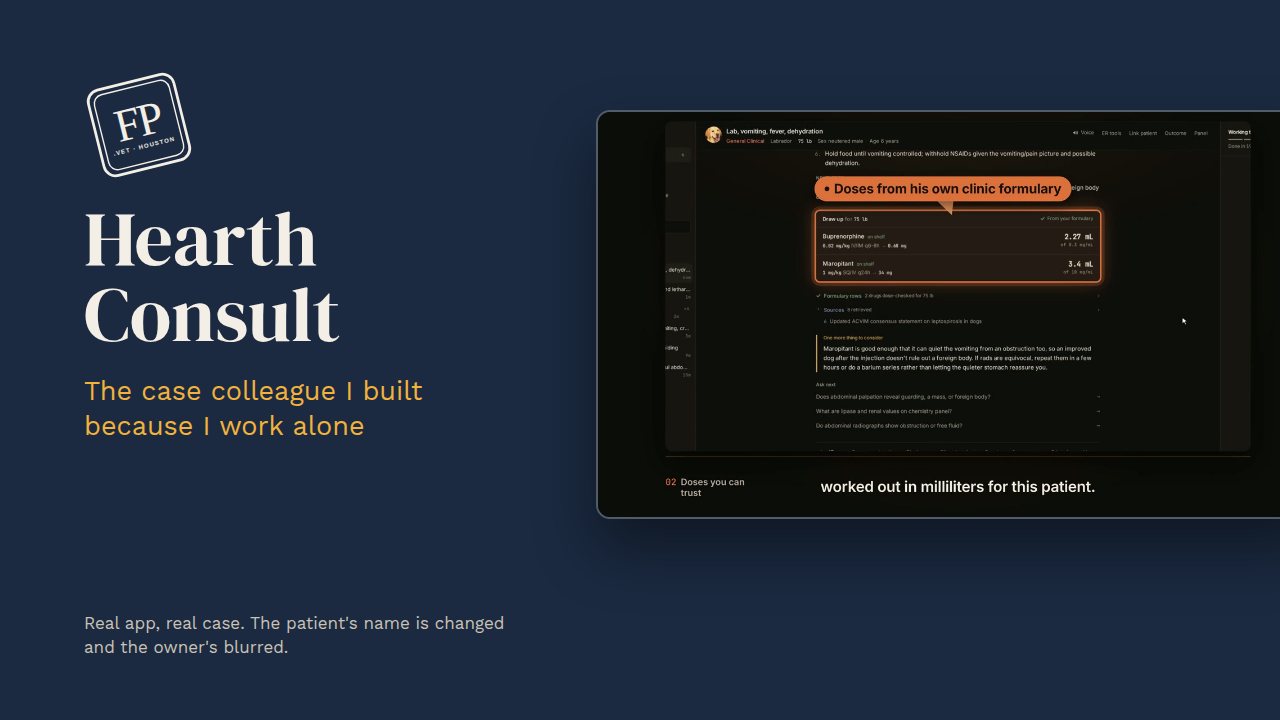
- Hearth Consult, my case colleague
- My AI scribe, and which one you should buy
- DischargePro, the go-home sheet. Try the demo
Already playing with this?
See all 79 builds, including the dead ones.
- The build journal, newest first
- My safety rules for real patients
- The forum, where vets compare notes
The rest of it
The argument, what still fails, the questions I get, and a place to tell me yours.
the same twelve questions
If you've got a clinic website that's basically a page, your hours, and a phone number, that was the right call for a long time. Mine was the same. It worked because people searched, found you, and read it.
That's the part that's changing. More and more, people don't read your site at all. They ask an assistant, and it answers for them using whatever it can find about you. It's answering for your clinic right now, whether you helped it or not.
The phone is next. Most calls to a vet clinic are the same twelve questions, and a machine that never has a rough morning can handle a good number of them. I'm not predicting that. An AI already fields calls at my clinic, today.
None of this replaces the medicine, and it doesn't replace judgment. It replaces the typing, the phone tag, and the after-hours voicemail nobody calls back. The vet who learns these tools doesn't get replaced by AI. They get their evenings back. That's the whole thesis. The rest of this site is how.
The honest part
Things AI still sucks at.
The demos are amazing. Tuesday afternoon is harder. If a site only shows you the wins, it's selling you something. I've worked around most of these. It just takes some tweaking, and none of it fixed itself.
- Remembering everything correctly
Fixed A memory layer it can read and write. Took longer than any of the tools did.
- Knowing when its own answer is subtly wrong
Still open I'm the filter. I don't expect that to change, and I'm fine with it.
- Understanding a workflow constraint you never said out loud
Fixed I said it out loud. The clinic's real context lives in a file it reads every time.
- Making a printable that's actually readable on the first try
Fixed Templates. The first try is still ugly. The second is fine.
- Staying out of generic marketing voice
Fixed A voice profile. It reads my own writing before it writes anything.
- Producing code that works every single time
Still open It won't, ever. Tests and a rollback are the fix, same as for people.
Questions I get asked
- What does veterinary AI look like in a real clinic?
- In my clinic it's a scribe in the exam room, a receptionist on the phone, and small tools I built for jobs I was tired of repeating. It's not a robot doctor. I still make every medical call.
- How do I use AI in a veterinary clinic if I'm not technical?
- Start with one task you already know well. Dictate a discharge. Rewrite a callback. Keep real names out of the chat. If you can hand a case to a colleague, you can already do this.
- Is it safe to put vet records in ChatGPT?
- Not by default. Strip names, phones, and account numbers first. Veterinary records aren't HIPAA, but they're still confidential. I wrote a full guide on that on this site.
- Who's responsible if the AI gets a dose wrong?
- You are. Same as if the calculator, the spreadsheet, or a tech got it wrong. The dose always falls on the vet, whatever did the math. So read every number and use common sense. My own tools pull doses from my formulary and check the math in code, and I still read every one.
- What does all this cost a month?
- About $400 a month for me, across Claude, Cursor and Lovable, because I build constantly. Honestly, I could do everything on this site with half that. A single $20 a month plan, Claude or ChatGPT with Codex, could build all of it once you know what you're doing. That's where I'd start.
- What AI tools do you run every day?
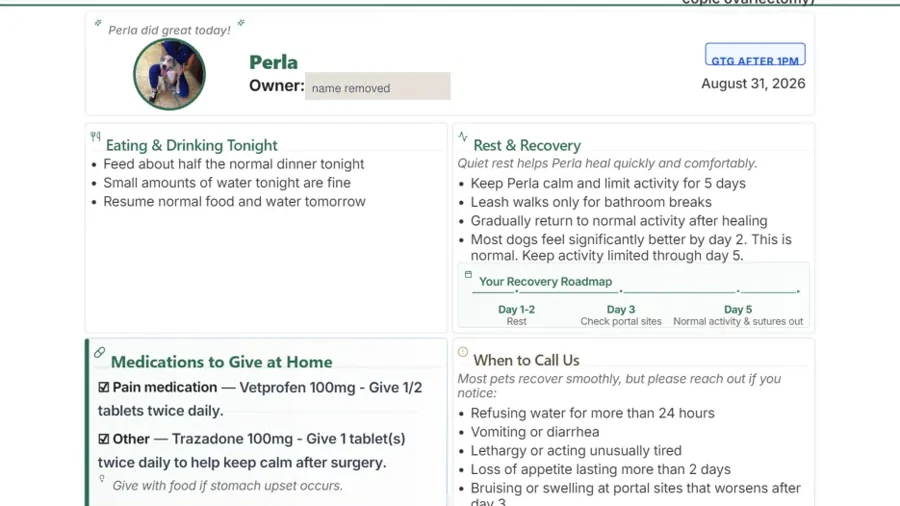
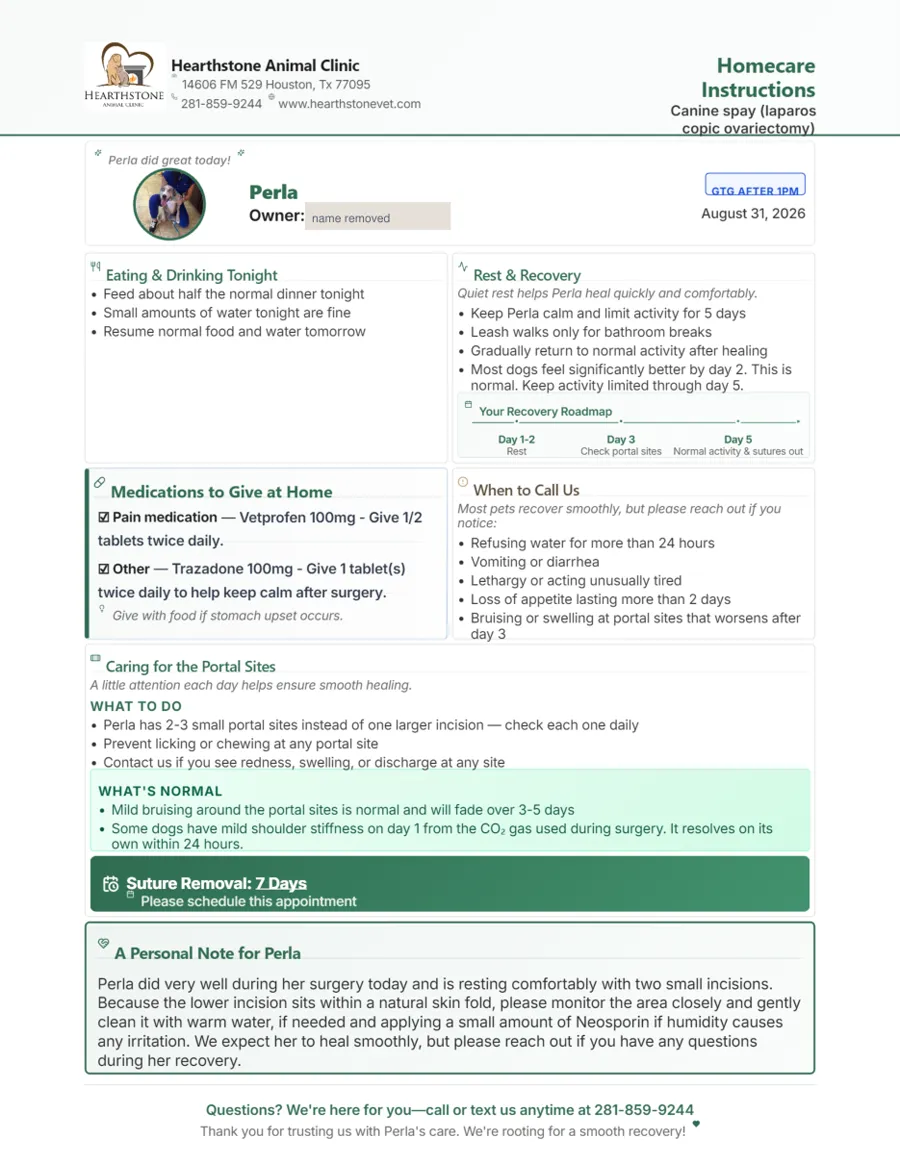
- Hearthstone Scribe in the exam rooms. DischargePro for surgery go-home sheets. PawNotes, which my team uses all day to message each other. A drug dose calculator. Claude and Cursor for the rest of the typing.
- Will AI replace veterinarians?
- It replaces typing, phone tag, and after-hours voicemail. It doesn't replace judgment. I still make every medical call. The time I get back is the charting I used to finish after the last appointment.
- What should an AI receptionist for vet clinics actually answer?
- The repeat calls: hours, refills, new clients, and what counts as an emergency. I wrote those flows myself. The hard part is when it has to hand off to a person. Medicine stays with the doctor.
Tell me what's broken in your clinic.
Or what you'd fix first if you had the time. Vets, techs, front desk, managers, anyone on the team.